Table of Contents (12 sections)
Starting a blog can be a rewarding yet challenging endeavor. In today's digital landscape, carving out your niche and connecting with your audience requires more than just commitment. This comprehensive guide will help you navigate the essential steps to successfully start your blogging journey.
1. Identify Your Niche
The first step in your blogging journey is identifying your niche. A niche is a specific topic or area of interest that you're passionate about and knowledgeable in. According to a 2025 survey by UFC-Que Choisir, blogs that focus on a clear niche attract 80% more consistent traffic than generalist blogs.
Ask yourself the following questions:
- What topics do I enjoy writing about?
- Who is my target audience?
- What unique experiences or insights can I share?
Once you have clarity on your niche, it's vital to conduct thorough research. Look for gaps in the market or questions that are commonly asked within your area of interest. This will help you tailor your content to meet the needs of your audience while establishing your authority.
2. Choose a Blogging Platform
Selecting the right blogging platform is crucial to your journey. Various options exist, each with its advantages and disadvantages. Here’s a comparative table to help you make an informed decision:
| Platform | Ease of Use | Customization | Cost | Ideal For |
|---|---|---|---|---|
| WordPress | Medium | High | Free/ Paid | Serious bloggers |
| Blogger | Easy | Low | Free | Casual bloggers |
| Wix | Easy | Medium | Paid | Business websites |
| Medium | Very Easy | Low | Free | Writers and storytellers |
3. Set Up Your Blog
Once you’ve chosen a platform, it's time to set up your blog. Here are the steps you’ll need to follow:
- Register a Domain: Choose a unique domain name that reflects your niche. Aim for something catchy and memorable.
- Select a Hosting Provider: For WordPress users, finding a reliable hosting provider is crucial. Look for those offering excellent uptime and customer support.
- Customize Your Blog: Choose a theme that resonates with your content and audience. Make sure it’s mobile-friendly, as many users will visit your blog via mobile devices.
4. Create Valuable Content
Creating engaging and quality content is at the heart of any successful blog. Consider the following tips:
- Know Your Audience: Write content that addresses the pain points or questions your audience has.
- Diversify Your Content: Incorporate various formats such as articles, videos, and infographics. According to Les Numériques, blogs with mixed media tend to see higher engagement levels.
- Consistency is Key: Establish a content calendar to help you post regularly. Aim for quality over quantity, even if it means posting less frequently.
5. Promote Your Blog
Promotion is essential to grow your readership. Use multiple channels to reach your audience:
- Social Media: Share your posts on platforms like Facebook, Twitter, and Instagram to drive traffic. Tailor your strategy based on where your audience spends their time.
- SEO: Optimize your posts for search engines by researching keywords and using them appropriately in your content. A study by 60 Millions de Consommateurs found that blogs using good SEO practices see 100% more organic traffic.
- Networking: Collaborate with other bloggers in your niche. Guest posting can expose your blog to a broader audience.
6. Track Your Progress and Adapt
As you embark on your blogging journey, continually track your blog’s performance. Use tools like Google Analytics to monitor your traffic and engagement metrics. Identify which posts perform best and adapt your strategy accordingly. Don’t hesitate to update or repurpose older content to keep it relevant.
7. Monetize Your Blog
Once your blog is established and attracting traffic, consider monetizing it. Common methods include:
- Affiliate Marketing: Promote products related to your niche and earn commissions.
- Sponsored Content: Collaborate with brands to create sponsored posts.
- Digital Products: Sell eBooks, courses, or printables based on your expertise.
8. Stay Motivated
Blogging can be a long and sometimes discouraging journey. To keep your motivation high, celebrate your achievements, however small they may be, and connect with fellow bloggers to share experiences and tips.
Checklist for Starting Your Blogging Journey
- [ ] Identify your niche
- [ ] Choose a blogging platform
- [ ] Set up your blog
- [ ] Create and schedule your content
- [ ] Promote your blog on social media
- [ ] Track progress using analytics
- [ ] Explore monetization options
Glossary
| Term | Definition |
|---|---|
| Niche | A specific area of interest targeted in a blog. |
| SEO | Search Engine Optimization; techniques to rank higher on search engines. |
| Domain | The address of your blog on the internet. |

Natur Botanic Fragrance Arôme Oriental Journey 130ml
DocMorris FR (ex DoctiPharma FR)

📺 Resources Video
> 📺 For further insights: Exploring the Best Blogging Platforms, a detailed analysis on selecting the best platform for your needs. Search on YouTube: "best blogging platforms 2026".
🧠 Quick Quiz: What is the most important aspect of a blog?
- A) Content
- B) Design
- C) Niche
Answer: A — Quality content drives engagement and keeps readers coming back.
In summary, starting your blogging journey is a structured process that rewards persistence and creativity. Follow these steps, stay engaged with your audience, and continue learning to make your blog a success!
We've selected several products that can enhance your blogging experience; discover our recommendations below.
📺 Pour aller plus loin : best blogging platforms 2026 sur YouTube
Recommended products
Selected by our experts
Natur Botanic Fragrance Arôme Oriental Journey 130ml
DocMorris FR (ex DoctiPharma FR)
This product can help create a pleasant working environment, boosting your creativity and focus while you blog.
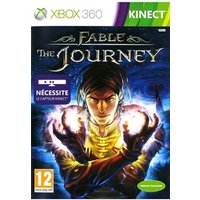
FABLE THE JOURNEY
Darty FR
An engaging way to unwind and spark creativity between writing sessions, ideally suited for bloggers.
Design Journey 949 - Pinceau à reservoir d'eau - rond
Darty FR
A great tool for artists and bloggers alike to express thoughts visually, enhancing content creation.