
Table of Contents (10 sections)
Starting a blog can be an exciting journey, but it's essential to approach it methodically. In this guide, we will walk you through the essential steps for launching your blog successfully, whether you're a beginner or looking to improve your existing platform.
1. Define Your Niche and Audience
Before diving into the technical aspects of launching your blog, it’s crucial to define your niche. A niche is a specific area of interest or subject you will focus on. Identifying this helps to target your content and audience effectively. Research current trends, what resonates with you, and how your voice contributes to the conversation.
For example, if you're passionate about cooking, consider specializing in a niche like vegan or gluten-free recipes. According to a report by Statista in 2025, food blogs continue to thrive with a significant percentage of users seeking specialized content. Knowing your niche will not only help attract a dedicated audience but will also guide your content strategy. Avoid overly broad topics, as these can dilute your brand.
2. Choose the Right Blogging Platform
Selecting the right platform is a critical step in launching your blog. Various platforms cater to different needs, from user-friendly options like WordPress.com to more customizable ones like WordPress.org. If you plan to monetize your blog, such as through affiliate marketing or ads, consider self-hosted WordPress.org for its flexibility and plugins.
For instance, WordPress.com is suitable for beginners, but it comes with restrictions on monetization and customization. In contrast, WordPress.org allows complete control over your site. A survey by W3Techs in early 2026 found that approximately 43% of websites on the internet are powered by WordPress, demonstrating its popularity and reliability. Look for a platform that aligns with your technical comfort level and long-term goals.
3. Set Up Domain and Hosting
Once you have chosen a platform, the next step is to secure your domain name and hosting service. Your domain name should reflect your blog’s niche and be easy to remember. Aim for a name that resonates with your audience and encapsulates your blog’s essence.
For hosting, consider options like SiteGround or Bluehost, known for their reliable services and excellent customer support. According to TechRadar, as of 2026, quality hosting can improve your site's speed and uptime, significantly affecting user experience. Make sure to compare the pricing, features, and user reviews to choose the best hosting for your needs. Taking these steps will ensure your blog has a solid foundation.
4. Design Your Blog
Creating an appealing design is crucial for engaging visitors. A well-designed blog should reflect your brand while providing a pleasant user experience. Use themes and templates offered by your chosen platform, ensuring they are mobile-friendly as a significant portion of internet traffic comes from mobile devices.
Consider the layout, color scheme, and typography to make your blog visually appealing. Platforms like Canva can assist you in creating graphics and images that represent your brand well. Data from Google Analytics in 2025 showed that users are 67% more likely to return to a site that has a beautiful design. Take your time to personalize your layout to resonate with your audience, creating a memorable first impression.
5. Create High-Quality Content
Content is the heart of your blog, and producing high-quality, engaging posts is vital. Start by creating a content calendar to plan your topics and posting schedule. Focus on providing value to your readers through informative, entertaining, or inspiring content that addresses their needs.
Use clear and engaging writing styles, incorporate visuals, and keep paragraphs concise to maintain readability. According to Content Marketing Institute, over 60% of consumers make a purchase after engaging with a blog, underlining the importance of content quality. Regularly update your blog with fresh content to keep your audience engaged and boost your SEO ranking. Aim for at least one post per week to maintain consistency.
6. Promote Your Blog
Once your blog is up and running, it's time to promote it. Utilize social media platforms to increase your reach. Establish profiles on platforms like Instagram, Twitter, and Pinterest, where your target audience is likely to be active. Engage with your followers by sharing your blog posts, responding to comments, and participating in discussions relevant to your niche.
According to a survey by Hootsuite in late 2025, businesses that actively engage on social media see a 50% increase in customer engagement. Consider implementing an email newsletter to keep your subscribers updated and drive traffic back to your blog. Additionally, join blogging communities and forums to network with other bloggers and share tips.
7. Monitor Your Progress
After launching your blog, it’s important to monitor its performance. Utilize tools like Google Analytics to track your traffic, user behavior, and popular content. Regularly review your analytics to identify trends and adjust your content strategy as needed.
Pay attention to metrics like bounce rate and average session duration to understand how visitors interact with your site. According to a report by HubSpot, updating and optimizing content can lead to a 200% increase in traffic over a six-month period. Taking the time to analyze and refine your strategy will enhance your blog's effectiveness.
Checklist Before Launching Your Blog
- [ ] Define your niche and target audience.
- [ ] Choose a blogging platform and select a hosting service.
- [ ] Secure your domain name.
- [ ] Design your blog’s layout and visuals.
- [ ] Create a content calendar.
- [ ] Develop high-quality, engaging content.
- [ ] Set up social media profiles for promotion.
- [ ] Monitor site performance using analytics tools.
Glossary
| Term | Definition |
|---|---|
| Niche | A specific focus area or subject that a blog covers. |
| Domain Name | The web address where users can find your blog. |
| Hosting Service | A service that allows you to store your blog's files and makes them accessible on the internet. |
> 📺 For further learning: Check out our recommended videos on launching a successful blog. Search on YouTube: "successful blog launch tips 2026".
🧠 Quick Quiz: What is the most important factor in blog success?
- A) Niche selection
- B) Blog design
- C) Social media presence
Answer: A — Niche selection sets the foundation for your blog's focus and target audience.
With the right strategies, launching your blog can be a fulfilling experience that opens doors to new opportunities. This guide provides the foundational elements necessary for a successful start, so don’t wait—start your blogging journey today!
📺 Pour aller plus loin : successful blog launch tips 2026 sur YouTube
Recommended products
Selected by our experts

CC Crème correctrice & anti-âge SPF50 Your Skin But Better™ - Fair - it Cosmetics
Blissim FR
A quality CC cream can enhance your appearance in blog photos and videos, helping you maintain a professional look.

CC Crème correctrice & anti-âge SPF50 Your Skin But Better™ - Fair Light - it Cosmetics
Blissim FR
Having a good CC cream not only protects your skin but also provides a flawless finish for your online presence.
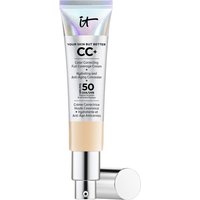
CC Crème correctrice & anti-âge SPF50 Your Skin But Better™ - Light - it Cosmetics
Blissim FR
Especially during outdoor shoots or events, a reliable CC cream can improve your confidence and overall look.